
Don’t Lose Art
Art has existed since the dawn of civilisation. It built civilisation. It is what has made us question ourselves and elevate our understanding of ourselves and the world. No other animal creates art for self-reflection or to further their understanding, only to attract a mate.
Currently, art is derided for being silly, rubbish, too easy to make, too hard to understand, or pointless. Which is why civilisation might feel like it’s crumbling beneath our feet. But don’t worry, it’s not crumbling; it’s just not fully understood or appreciated by everyone, a bit like civilisation.
Whatever they called themselves, the earliest sentient people created art as far back as 64,000 years ago (that we know of) all over the world. Handprints and stick figures fighting mammoths painted on caves with bodily fluids and ground-up minerals are the most well-known depictions. However, there are also carved fat naked ladies and human-animal hybrids carved from bone, ivory, or limestone.
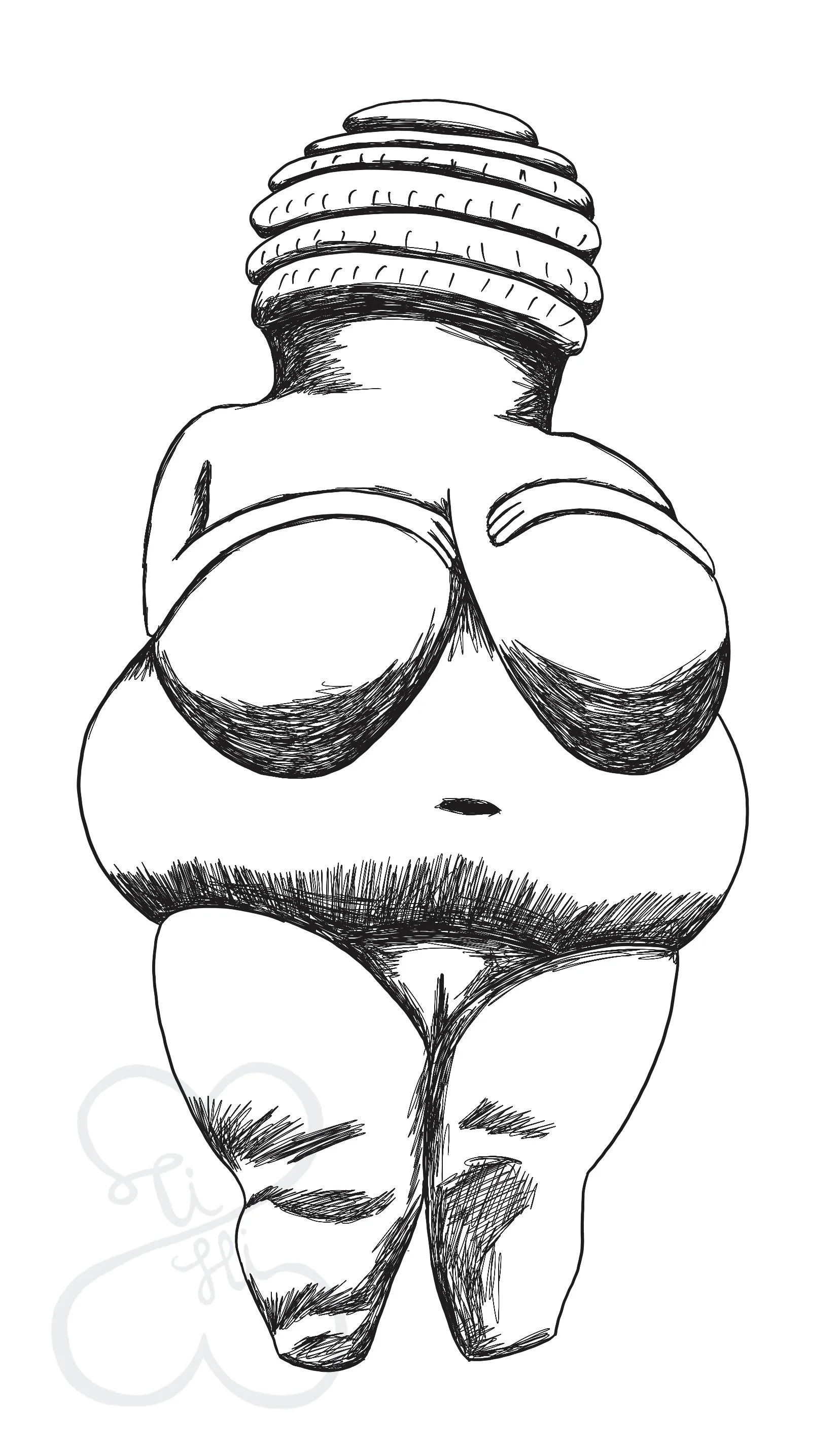
We know nothing about their purpose, but inherent logical reasoning suggests they were created for the same purpose as art is created today - to understand something, tell everybody else about it, and revere that new level of understanding.
Spraying liquidised red ochre through a hollowed-out bone over your hand as a stencil on a cave wall was almost the same as scrawling “I woz ere” on your school desk - a way of marking your presence. While animals are still content with peeing on a nearby tree, we carve our initials onto the tree for a more immortal stance. The narcissist was born.
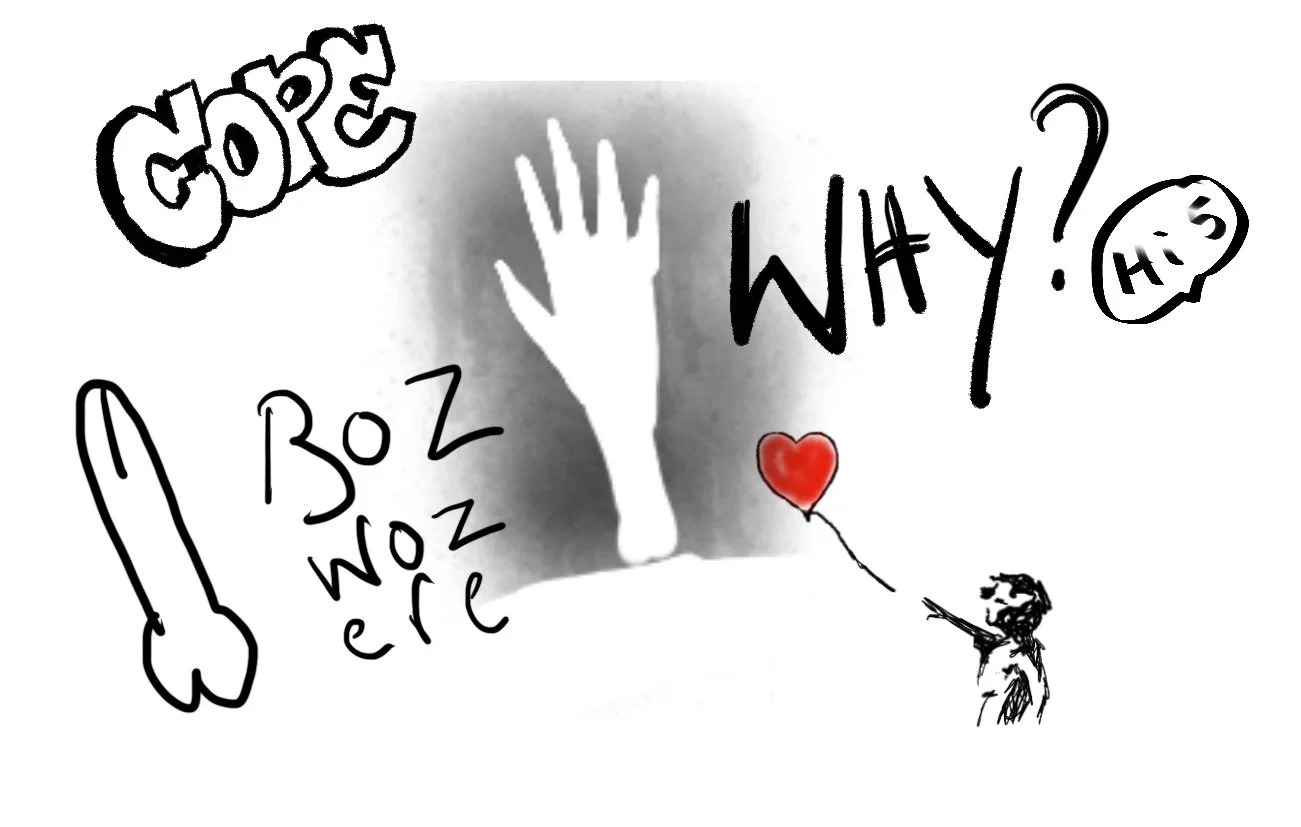
All children draw, unless they’re potential psychopaths. It is innate. Mark-making is essential for a child’s psychological development. To hinder it is to hinder their natural development. Hide the felt-tip pens, and they will draw in the mud. It is their way of understanding the confusing world around them when they don’t have the words to.
Psychologists believe that children between the ages of 9 and 13 go through a crisis phase when they realise their drawings don’t match reality, and yet one or two of their peers’ do. Judgement and frustration lead to abandonment. You can apply that logic to every attempt at any sport or musical instrument as well. Children clumsily start the process of self-criticism early; it’s meant to give them ample time to perfect resilience before adulthood. Unfortunately, current trendy thinking seems to gloss over failure and encourage a celebration of being rubbish at something rather than acceptance that some people are better or more into something than someone else. I’m okay with people running faster or kicking a ball better than me, so why should it bother me if they’re better at art?
It’s during this crisis phase that children’s brains rewire themselves, and art can get left behind or disconnected, especially if it is not understood or not celebrated/revered by that child’s peers or family. Hating art is as contagious as loving art. Some children replace the need for art once they have enough words to explain themselves. They outsource their creativity with stickers, baseball caps, and trending synchronised dance moves. They stop caring about things they know they can’t control and are pretty fixated on fancying other people and their new bodies. So art can take a backseat unless they still have questions or simply get joy from creativity.
As a former secondary school art teacher, I have seen this at the coalface. So many parents’ evenings spent politely lecturing the parents on the importance of an art qualification as they tried to steer their precious child towards a more academic path because they’ve been given the impression that an art qualification is useless. Don’t get me started on the herd mentality. I battled hard for many students to follow their talent rather than a government-led, predetermined PowerPoint path.
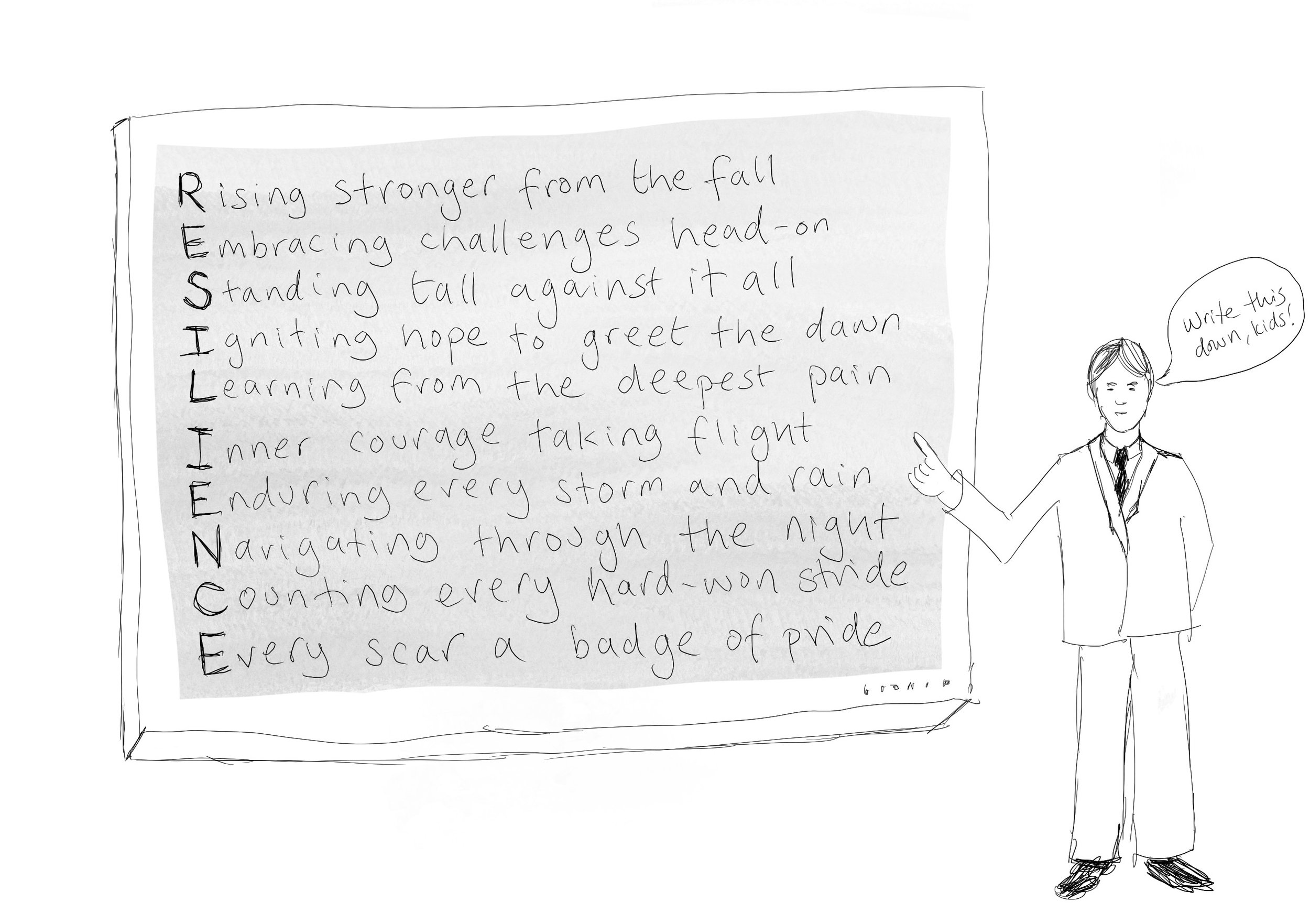
Creativity is at the heart of most successful businesses. Without creative thinking, we would be very boring people, with boring ideas and boring products. All the arts supply creative minds. Musical brains improve cognitive abilities far beyond yoga can and dopamine levels beyond what drugs can artificially do. A creative qualification does not mean you have to live the rest of your life in poverty. A creative qualification means you can observe, research, record, experiment, analyse, practice, and develop an idea to a conclusion. Quite handy skills in any environment.
I’d love someone to research whether the rise in drug use or general addiction rises at the same rate as creative teaching lessens. Mental health is improved by allowing your brain to think creatively, whether that’s building model railways, jamming on a bass guitar in the garage or dancing in front of your mirror. There’s a wide choice, and yet still many deride its purpose. I can’t imagine why?
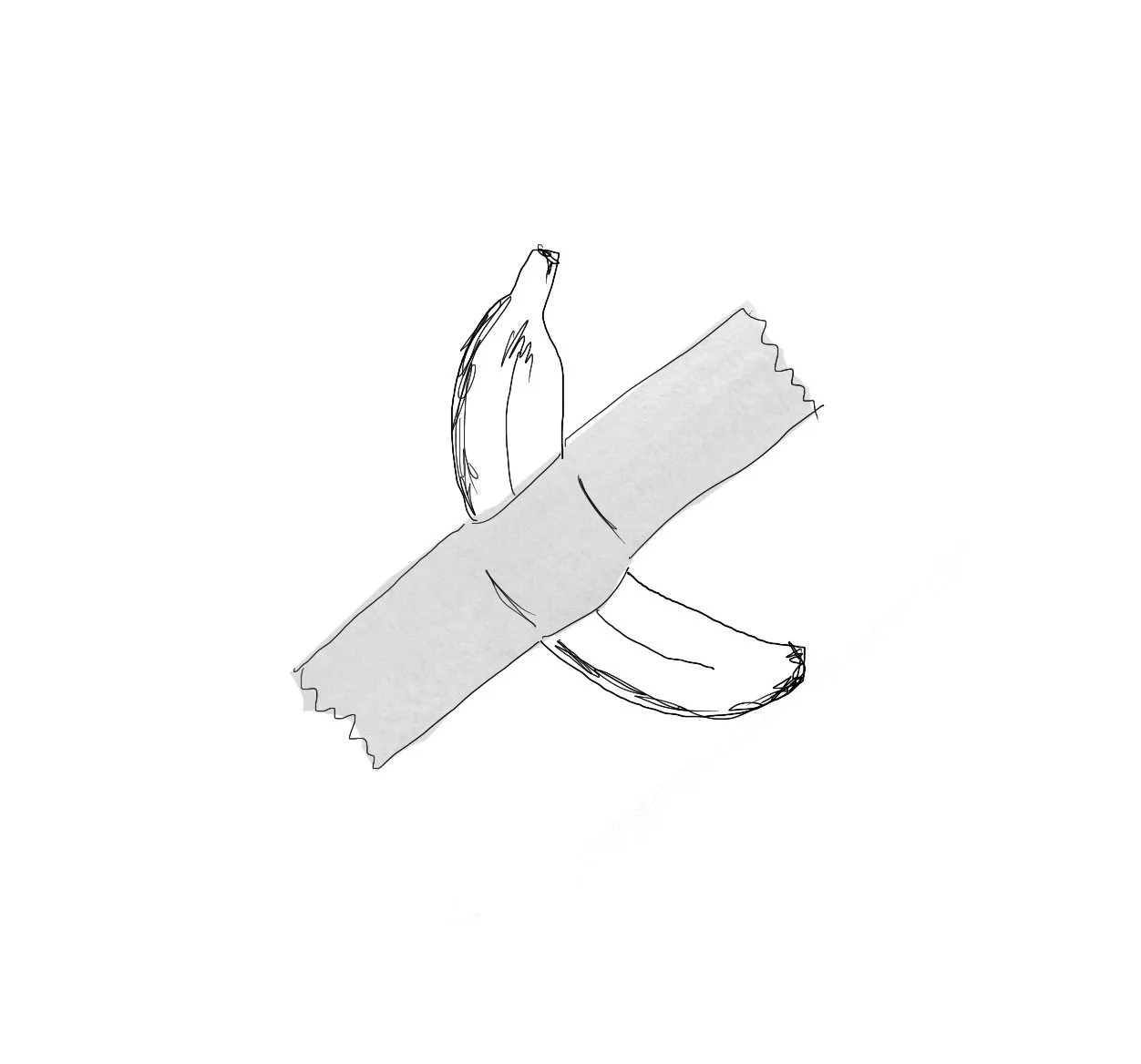
Did Neanderthal children draw like ours do? When did children start to draw? Do children draw because Neanderthals learned by drawing? Is it part of our brain’s evolution? Children’s drawings look awfully similar to cave paintings. Like our early foetus has a tail we no longer use, do our brains cling onto our earliest expressions of ourselves - are they locked inside our DNA? I can’t answer all these here, so I’ll let others pontificate behind my back.
Psychologists have used a child’s drawings to look for signs of family abuse in the same way we look back at cave paintings and try to understand how their communities functioned. Because the rules of composition and the artistic elements are universal and stable. We can not escape our past, even from tens of thousands of years ago. Our interpretation can be subjective (as with anything, especially these days) but psychologists believe our innate understanding of proportion representations importance e.g. mammoths were disproportionately bigger than the stick men to add drama and fear and important people are often drawn bigger or more elevated than the rest.
Creativity is part of our cognitive function. We learn through visual imagery, imagination, and the oral storytelling that goes alongside it. Most people don’t understand art today because they haven’t had the storytelling that goes along with it. Largely because the storytelling is long-winded, overcomplicated, or told in a condescending manner rather than with awe and wonder anymore.
Babies like comfort blankets. Psychologists believe that a baby’s understanding of the world is limited to what they can see right in front of them. They have to learn that objects such as their mother exist beyond their view. To keep them at peace when their mother leaves the room, they learn to hold on to a substitute object, usually a blanket, but it really could be anything that smells of their mother, until the mother returns into view. This is an early psychological connection for babies, and it’s a connection to the external world through objects. These are called transitional objects. They help a baby transition into understanding the outside world. Once a baby understands the outside world, they can abandon the blanket. Those with severe anxiety hang onto the blanket until they lose their virginity or they’re in their thirties, whichever comes first.
See D W Winnicott:
https://squiggle-foundation.org/winnicott/theories/
Art is a transitional object. It is our way of externalising feelings and thoughts so they can be visualised and take their place in the outside world for others to see. Emotions are very hard to see, except for a few facial expressions, which can be vague - tears of joy can look the same as tears of anguish. The transitional object makes the unknown and unseen tangible, something we can hold, build, destroy, reflect upon, own, sell, keep, revere, or ignore.
The majority of art until the Renaissance was not all that emotional. There was some heartstring-tugging in orthodox religious art, especially in the Byzantine period, but the majority was authoritarian, reverent, ritualistic, and conforming. The Renaissance period saw the beginnings of patron-based art - commissioned pieces for rich people, not just kings and pharaohs. Suddenly, personal taste could be requested by the patron or slipped in by the artist. The empath was born.
People were now connected to art personally without being whipped into submission. They could relate, rejoice or repel at will. Artists had framed their comfort blankets. They could use their artworks to represent an intangible feeling so that the feeling would never leave their viewpoint. The battle between the inner and outer world has never been conquered or lost; it is continuous. Babies and artists must be able to reconcile themselves to their feelings. It’s therapy. A positive one. Artists are just advanced babies like the rest of us, just with more paint.
When you say art, people think of paintings, but all the arts create culture. The cavemen had music and probably danced; bones were also hollowed out to make musical instruments. It’s just sound and footprints in the sand don’t last quite like ochre does. The arts include craft, dance, music, performance, drama, poetry, creative writing, TV and film, and a lot more. When Joe Bloggs on the street is asked about culture and they say they don’t have one, they rarely include films in culture despite being a dominant form for many. Films are just pictures of men chasing mammoths with the audio recorded and more professional lighting.
We will never lose art or culture, no matter how hard authoritarians try to control it or corporate giants try to exploit it; it is innate. It is hard-wired in our brains - some more so than others - but it is there for everyone to sit and watch and enjoy.
The best art survives a long time because it is looked after and treasured. We must preserve what is good. In this digital age, that will be harder; one massive solar flare could wipe out everything we have recently created and stored, just the library of Alexandria. We must continue to make solid, tangible representations of what we think and feel, and we will.